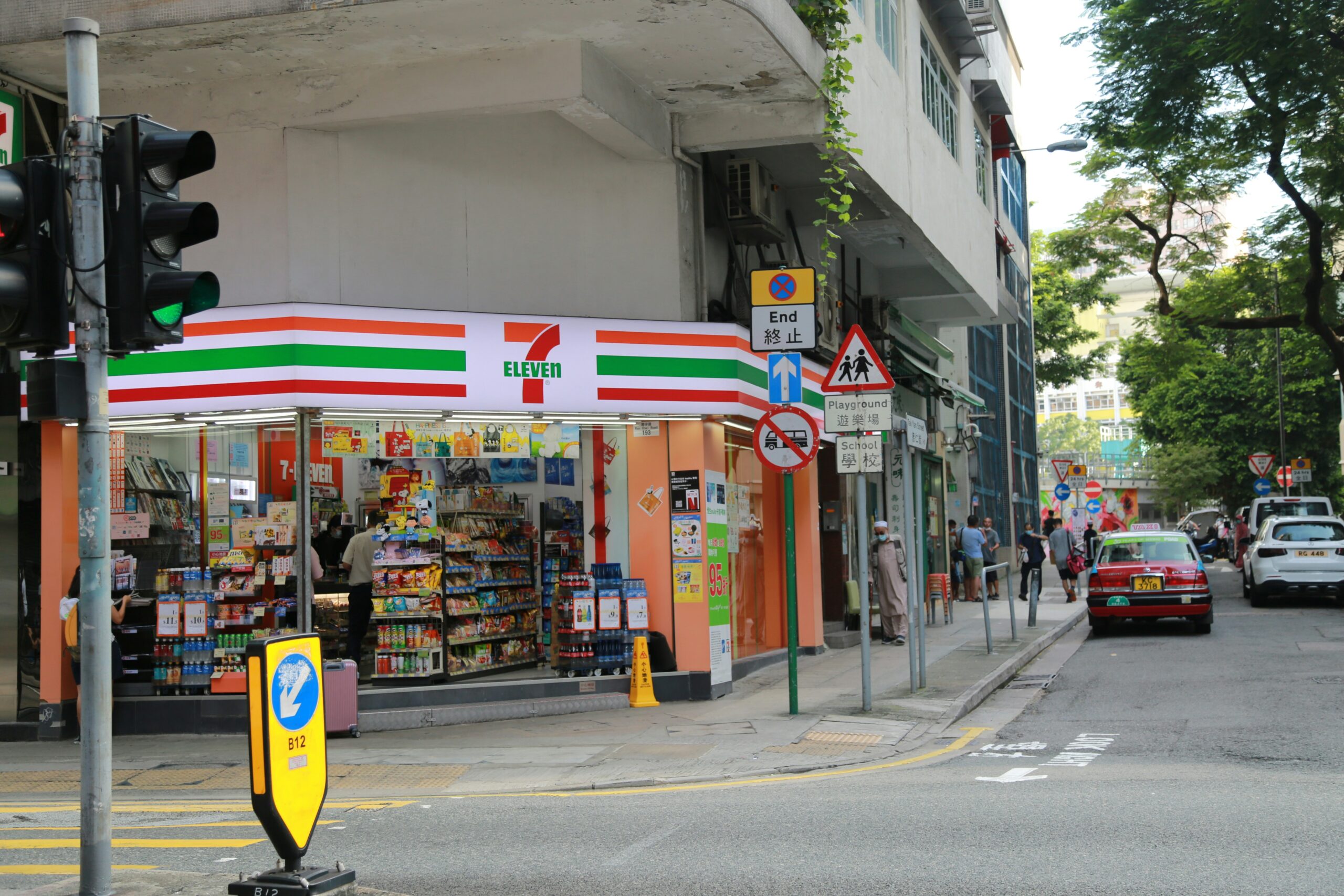
The first time you walk into a Japanese 7-Eleven — or a Lawson, or a FamilyMart — there is a moment of cognitive adjustment. You are technically in a convenience store: the layout is familiar, the fluorescent lighting is familiar, the rows of products are familiar. And then you look at the food counter and notice things are not familiar at all. The onigiri are made fresh. The hot food case contains nikuman steamed buns, karaage chicken, and oden simmering in dashi broth. The pastry selection looks like a serious bakery. This is not the convenience store you grew up with.
The Scale and Significance of Japan’s Konbini
Japan has approximately 56,000 convenience stores — roughly one for every 2,200 residents. The three dominant chains are 7-Eleven Japan (by far the largest, with over 21,000 locations), Lawson, and FamilyMart. Together they form an infrastructure layer woven into daily Japanese life so thoroughly that many people visit multiple times per day.
This is not just a matter of convenience. Japan’s konbini operate as genuine community hubs — particularly in rural areas and for elderly populations — providing services that in other countries would require multiple separate trips to separate institutions.
The Food: Why It’s Actually Good
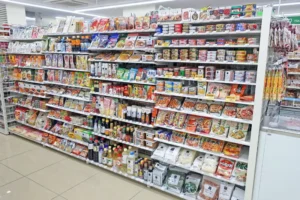
Japanese convenience store food has a global reputation for quality that surprises first-time visitors who arrive expecting the sad sandwiches of their home-country equivalents. The difference is structural: Japanese chains invest heavily in food development, manufacture on short cycles (many items are refreshed twice daily), and apply genuinely rigorous quality standards.
Onigiri
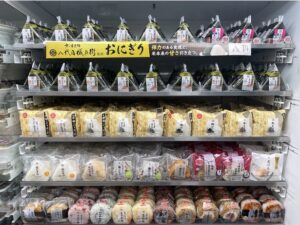
The triangular rice balls sealed in a clever three-step opening wrapper are probably the most iconic konbini food item. Fillings range from the traditional (umeboshi pickled plum, tuna mayo, salmon) to seasonal specials and regional variants. A well-made onigiri — warm rice, properly seasoned, with a nori sheet that is crisp because it has been kept separate from the rice until you open it — is one of Japan’s great everyday foods. They cost approximately 120–180 yen each.
Hot food counter
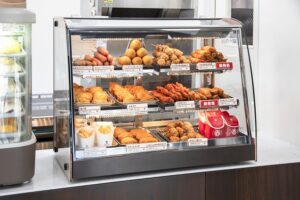
The counter of rotating hot items shifts by season and time of day. Winter brings oden — a slow-simmered broth containing tofu, daikon radish, fish cakes, and boiled eggs, available by the piece at very reasonable prices. Year-round staples include steamed nikuman pork buns (particularly the 7-Eleven version, which has a dedicated following), fried chicken pieces in various seasonings, and croquettes.
Sandwiches and pastries
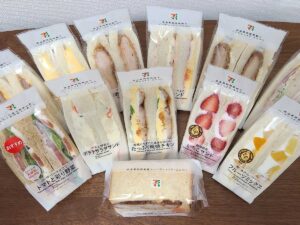
Japanese convenience store sandwiches are made fresh daily and occupy a category — the milk-bread based soft white sandwich — that doesn’t really translate to most other food cultures. Egg salad, tuna, mixed fruit with whipped cream (yes, this exists, and yes, it’s excellent) and katsu cutlet options are all worth trying. The in-house bakery sections at some branches produce croissants and cream-filled rolls that are genuinely competitive with standalone bakeries.
Premium items
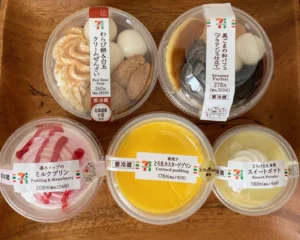
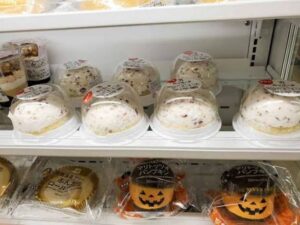
All three major chains have developed premium private-label product lines — Seven Premium (7-Eleven), Lawson’s various premium desserts, FamilyMart Collection — that compete directly with supermarket and specialty food brands. The dessert sections, in particular, are worth serious attention: convenience store mont blanc cakes, tiramisu, and seasonal limited editions have their own dedicated fan communities.
Beyond Food: Services That Surprise
Japan’s konbini are multi-function service centres. Understanding the full range of services available makes them even more useful for visitors.
ATMs
7-Eleven’s ATMs are famously reliable for international cards and operate 24 hours. For visitors from countries where cash is king (Japan still is, broadly speaking), the ability to withdraw yen at any 7-Eleven is practically important.
Printing and copying
Multifunction printers in every konbini accept photo printing (upload via app or USB), document printing, scanning, and copying. Visitors often use these to print transport tickets, maps, or photos during their trip.
Bill payment and ticketing
Japanese residents pay utility bills, insurance premiums, and local government fees at konbini payment terminals. Visitors can use the same systems to purchase tickets for concerts, theme parks, and transport services through the Loppi (Lawson) or multimedia terminals at other chains.
Regional Variations and Limited Editions
One of the pleasures of travelling across Japan by konbini is noticing regional variation. Okinawan Lawsons stock products specific to the island. Northern stores emphasise different comfort foods in winter. And the constant rotation of limited-edition items — seasonal flavours, regional specialties brought to national stores, collaborations with anime franchises, food manufacturers, and popular restaurants — means that no two visits to the same chain are identical.
Visiting Tips
- Go in the morning. Onigiri and sandwiches are freshest in the morning, often delivered before 8am. The hot food counter is also fully stocked at this time.
- Use the eat-in area. Many konbini have small eat-in counter sections. This is a perfectly normal place to have breakfast or lunch.
- Check the app. 7-Eleven Japan and Lawson both have English-compatible apps with loyalty points and exclusive offers.
- Try something unfamiliar. The safest approach at a Japanese konbini is also the least rewarding. Pick up something you don’t recognise and work out what it is as you eat it.
The Japanese convenience store represents something philosophically interesting: the idea that “convenient” and “good” are not in opposition — that everyday infrastructure can be done with care and quality without sacrificing accessibility or cost. It’s a small but genuinely illuminating window into how Japan approaches ordinary things.