Traditions– category –
Japanese customs and culture
-

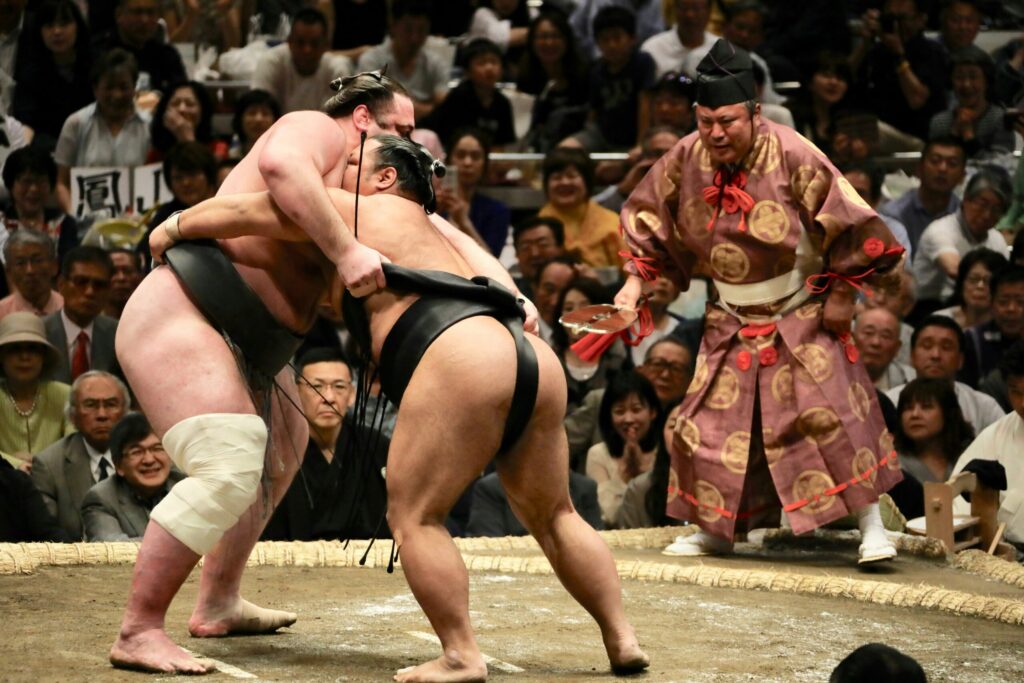
Sumo: The Sacred Sport That Carries 1,500 Years of Japanese Ritual
Sumo is Japan's oldest athletic tradition — and its most sacred. Long before the two wrestlers collide, a ceremony has been underway: salt purifying the clay ring, feet stomping out evil spirits, a shrine roof suspended overhead in the style of Ise Jingu. Every gesture in sumo is a Shinto act. The wrestlers who perform them are not simply athletes; they are practitioners of a living ritual tradition that has transmitted itself, largely unchanged, across fifteen centuries of Japanese life. To watch sumo — in the charged silence of the Kokugikan, the drum still resonating in the air — is to attend a ceremony in which the human body, trained to its absolute limit, becomes the instrument through which something beyond sport makes itself known. -
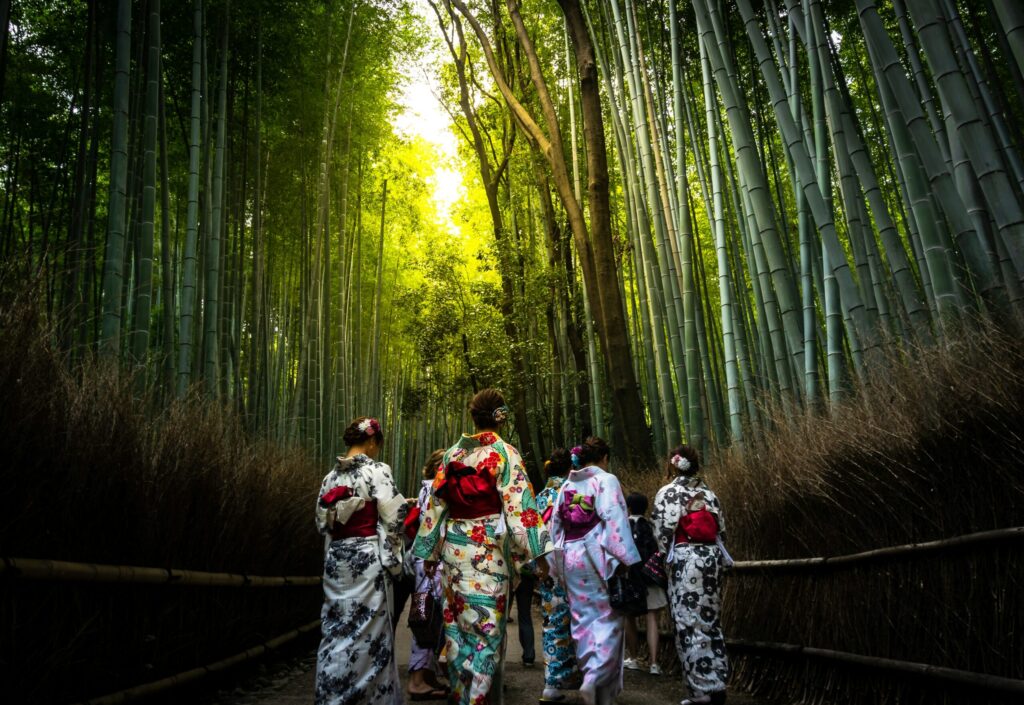
Kimono: The Garment That Encodes an Entire Civilization
A kimono takes between fifteen minutes and an hour to put on, depending on the formality of the occasion and the skill of the dresser. It requires knowing, in advance, what season it is, what occasion you are attending, what your social ... -
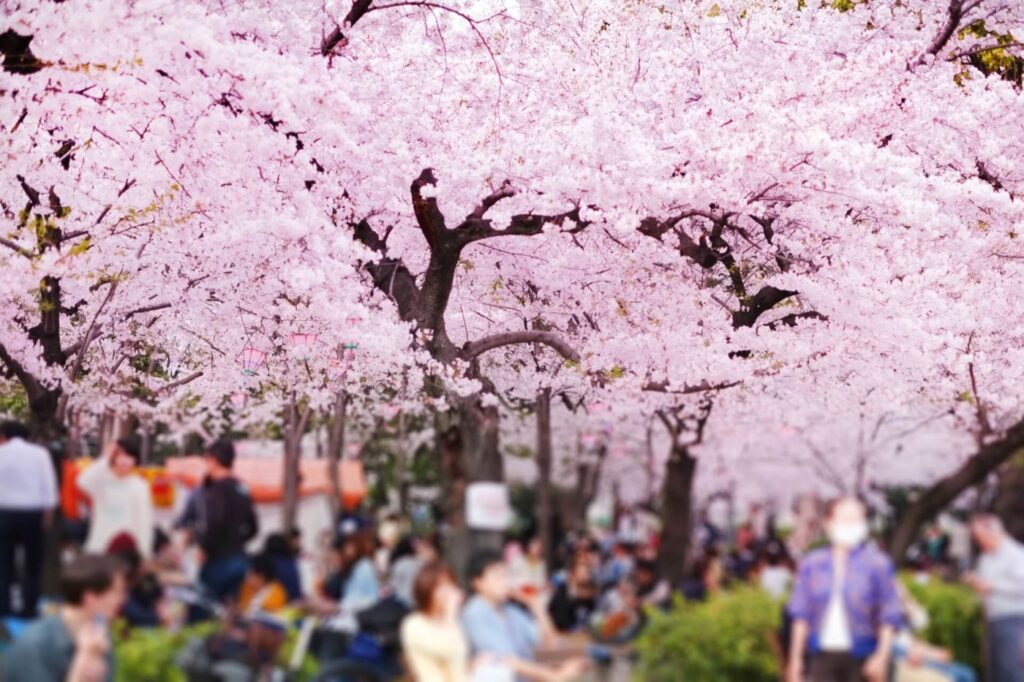
Hanami: The Japanese Art of Paying Attention to Impermanence
In a Tokyo park, a man in a business suit sits motionless beneath a canopy of falling cherry petals. His eyes are turned upward. He is not waiting for anyone. He is not passing time. He is doing something that Japan has refined over more than a thousand years — something that looks, from the outside, like stillness, but is in fact a form of radical presence. To understand why he is sitting there, and why it matters, is to understand something essential about how Japan experiences time itself. Hanami is not a cherry-blossom-viewing event. It is a philosophical act, a communal ritual, and a quiet insistence that beauty is most worth feeling precisely because it will not last. This is the story of how a flower became a mirror for the human condition.
1