Food & Drink– category –
Japanese cuisine and drink culture
-

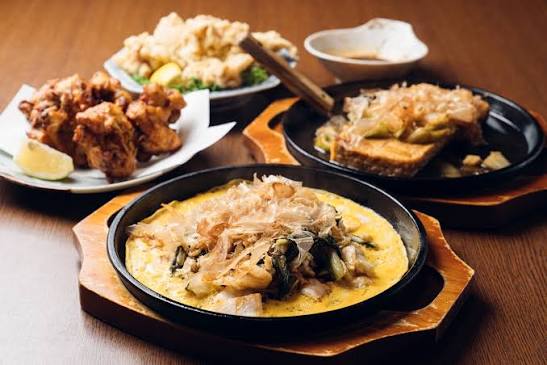
Izakaya: The Soul of Japanese After-Work Culture
Push aside the noren curtain and step into a different world. The izakaya — Japan's after-work institution — is where the formal structures of the day are officially permitted to relax, where hierarchies soften, and where the carefully composed faces of office culture give way to cold beer, shared plates, and the particular relief of being among people who are done with the day. Part bar, part restaurant, wholly unlike either, the izakaya is the space where Japanese social life conducts its most honest business: where honne — real feelings, unguarded opinions — surfaces under warm lantern light and yakitori smoke. From the ancient charcoal-grilled skewers to the shime ramen that closes the night, the izakaya is Japan at its most human, most welcoming, and most itself. -
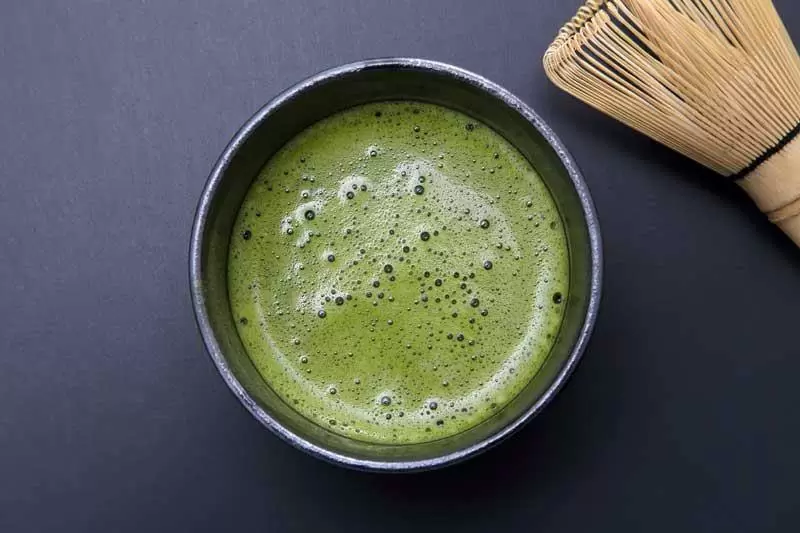
Matcha: The Green That Shaped Japanese Culture
In Kyoto, there is a doorway barely two feet wide. To enter, you must crawl. You leave your sword outside, your title, your pride. Inside: two tatami mats, a ceramic bowl, and silence deep enough to hear your own breath. This is the room Sen no Rikyū built in the sixteenth century, and it tells you everything you need to know about matcha — which was never, not for a single moment in its eight-hundred-year history in Japan, simply a drink. Tracing matcha means tracing the spine of Japanese civilization itself: its Zen monasteries, its radical aesthetics, its philosophy of the unrepeatable moment. What the world has flattened into a latte flavor is, in truth, one of the most sophisticated cultural systems ever built around a bowl. -
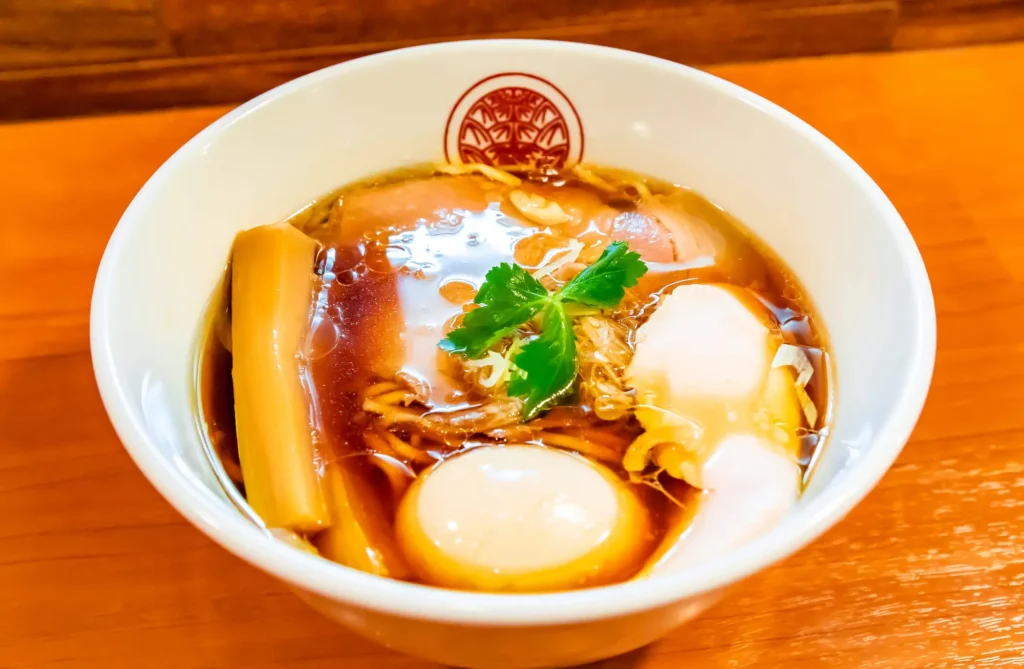
Ramen 101: A Complete Guide to Japan’s Most Iconic Noodle
Ramen is Japan's most consumed restaurant dish — but statistics miss the point. A great bowl of ramen is the record of every decision its maker has made: which bones to simmer, how long, what salt, what width of noodle. It is a cultural form through which Japanese culinary philosophy, regional identity, and craft perfectionism find one of their most concentrated expressions. This guide explores the four great styles — shoyu, miso, tonkotsu, shio — the regional cultures that produced them, the philosophy of the craftspeople who make them, and what it actually feels like to eat ramen in Japan with full attention.
1