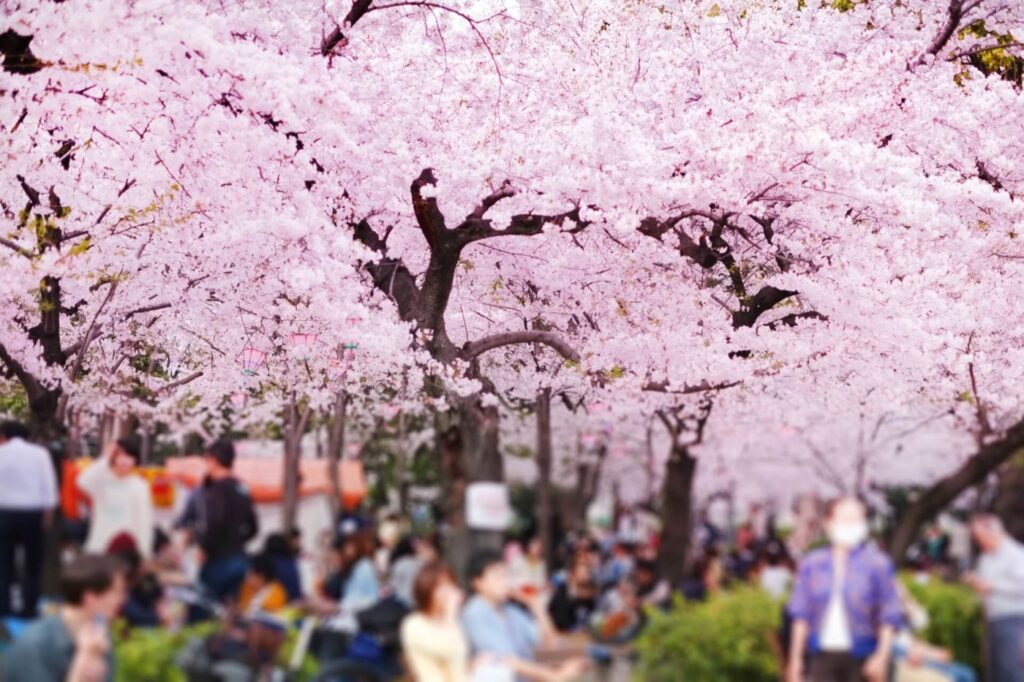
Hanami: The Japanese Art of Paying Attention to Impermanence
In a Tokyo park, a man in a business suit sits motionless beneath a canopy of falling cherry petals. His eyes are turned upward. He is not waiting for anyone. He is not passing time. He is doing something that Japan has refined over more than a thousand years — something that looks, from the outside, like stillness, but is in fact a form of radical presence. To understand why he is sitting there, and why it matters, is to understand something essential about how Japan experiences time itself. Hanami is not a cherry-blossom-viewing event. It is a philosophical act, a communal ritual, and a quiet insistence that beauty is most worth feeling precisely because it will not last. This is the story of how a flower became a mirror for the human condition.