Japan– tag –
-

Matcha: The Green That Shaped Japanese Culture
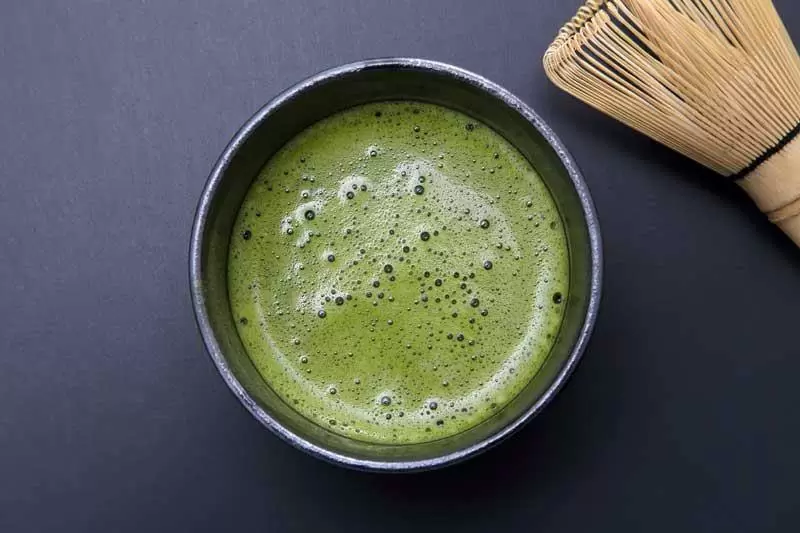
In Kyoto, there is a doorway barely two feet wide. To enter, you must crawl. You leave your sword outside, your title, your pride. Inside: two tatami mats, a ceramic bowl, and silence deep enough to hear your own breath. This is the room Sen no Rikyū built in the sixteenth century, and it tells you everything you need to know about matcha — which was never, not for a single moment in its eight-hundred-year history in Japan, simply a drink. Tracing matcha means tracing the spine of Japanese civilization itself: its Zen monasteries, its radical aesthetics, its philosophy of the unrepeatable moment. What the world has flattened into a latte flavor is, in truth, one of the most sophisticated cultural systems ever built around a bowl. -
Kawaii: How Japan Turned Cuteness Into a Cultural Superpower
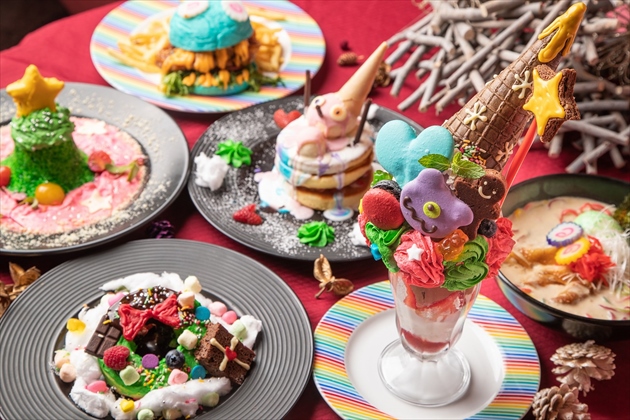
In 2013, a hand-drawn bear released royalty-free by a regional Japanese prefecture generated over $1.2 billion USD in economic activity. This is not an anomaly. In Japan, cuteness is serious business, serious philosophy, and serious power. The word kawaii carries centuries of aesthetic philosophy, a radical history of teenage rebellion, and a diplomatic force that governments deploy with genuine intent. To understand kawaii is to touch the core of what modern Japan most powerfully transmits to the world — and to reconsider everything you thought you knew about the word "cute." -
Hanami: The Japanese Art of Paying Attention to Impermanence
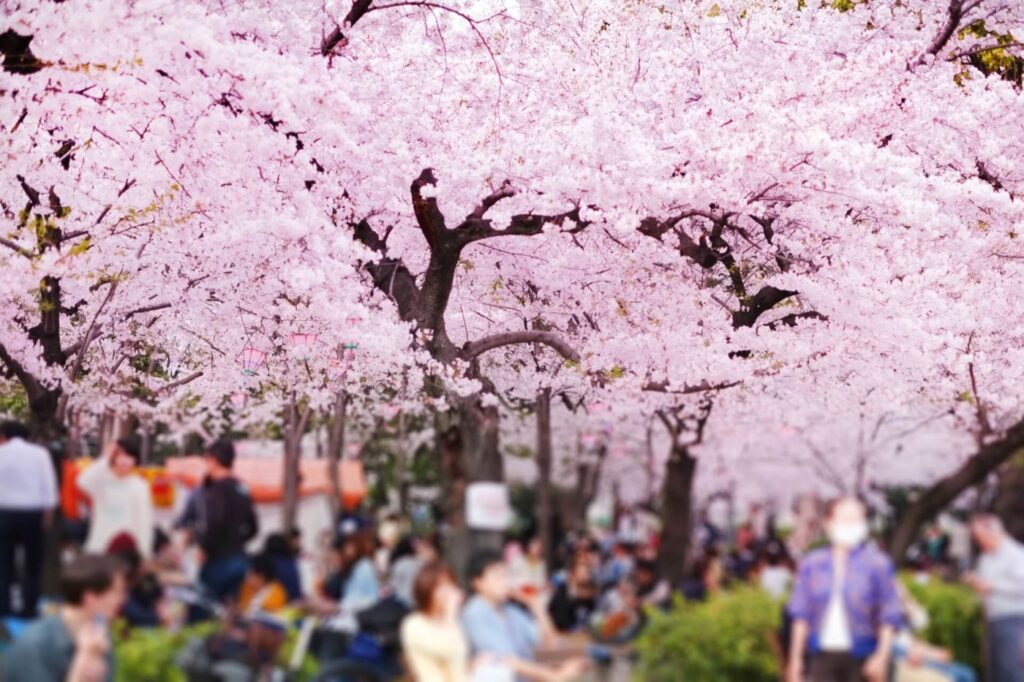
In a Tokyo park, a man in a business suit sits motionless beneath a canopy of falling cherry petals. His eyes are turned upward. He is not waiting for anyone. He is not passing time. He is doing something that Japan has refined over more than a thousand years — something that looks, from the outside, like stillness, but is in fact a form of radical presence. To understand why he is sitting there, and why it matters, is to understand something essential about how Japan experiences time itself. Hanami is not a cherry-blossom-viewing event. It is a philosophical act, a communal ritual, and a quiet insistence that beauty is most worth feeling precisely because it will not last. This is the story of how a flower became a mirror for the human condition.
1