Seasons– tag –
-

Fushimi Inari: Ten Thousand Gates and the God of Foxes
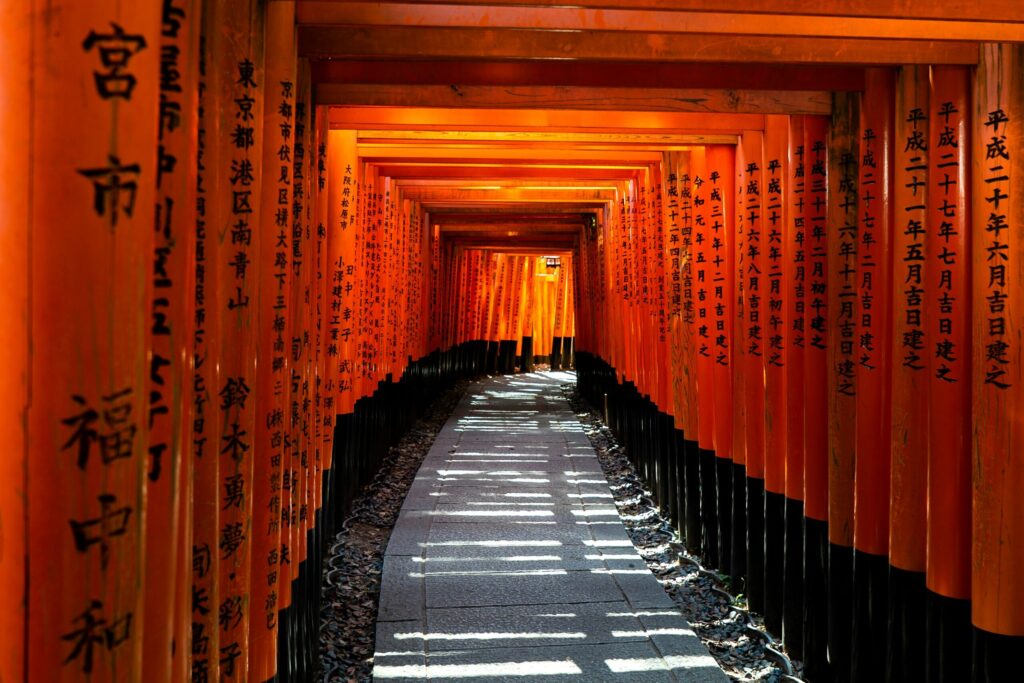
Fushimi Inari-Taisha has been sacred since 711 CE, and the ten thousand vermilion torii gates climbing Mount Inari behind it are each a donated prayer — every pillar inscribed with a name and a date, every gate a specific moment when a specific person decided that their gratitude deserved a permanent form. The mountain is a different place in every season: cherry blossoms drifting across the stone path in spring, the cicadas overwhelming the summer forest, maple red competing with torii red in November, snow turning every crossbeam white. And after dark, when the lights end and the path enters genuine darkness, Fushimi Inari becomes something the daylight cannot fully show — a mountain that has belonged to itself for fourteen centuries, patient and unchanged. -
Okinawa: The Island Kingdom That Was Never Quite Japan
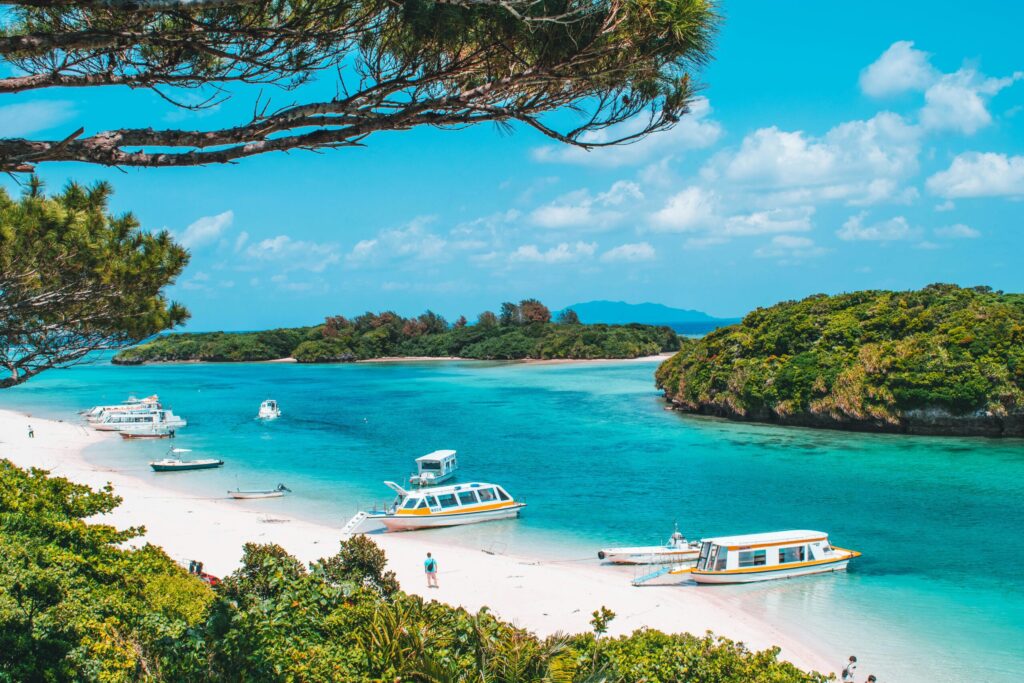
Okinawa sits closer to Taiwan than to Tokyo, and it feels it. For five hundred years before becoming a Japanese prefecture, this was the Ryukyu Kingdom — a maritime nation whose merchants sailed across Asia and whose culture absorbed those contacts into something entirely its own. That inheritance is still present everywhere: in the lacquered red palace of Shuri Castle, in the sacred grove of Sefa Utaki, in the slow-braised pork and bitter melon of the Okinawan table, in the sound of the sanshin drifting from doorways in the evening. And surrounding all of it, the sea: an emerald and turquoise that requires a new word, circling islands that know exactly who they are. -
Nara’s Sacred Deer: The Ancient Covenant Between a City and Its Animals
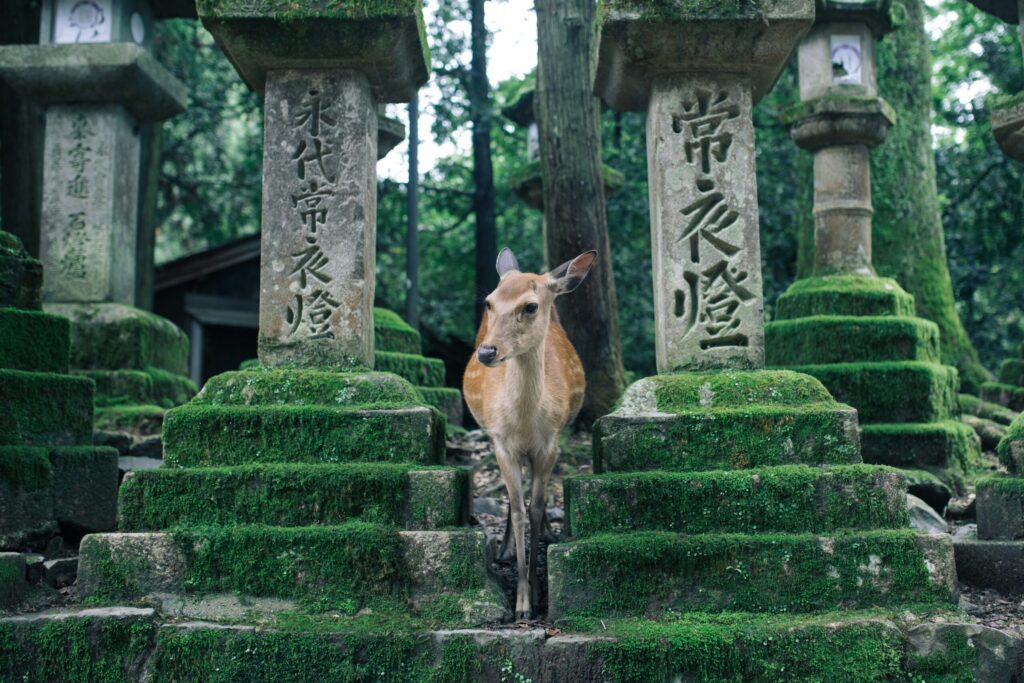
In Nara Park, the deer are not managed or contained — they are wild animals that have simply chosen, for thirteen hundred years, to live alongside humans. Sacred since 768 CE as messengers of the Kasuga deity, these approximately 1,300 deer have shaped a city unlike any other on earth: one where a deer might bow to receive a cracker, where spring brings spotted fawns to the forest edges, and where October's ancient antler-cutting ceremony marks an annual renegotiation between species. Beyond the deer, Nara holds some of Japan's most extraordinary sacred spaces — the world's largest wooden building, a forest full of stone lanterns, a five-story pagoda reflected in still water — and a food tradition organized around things that take a long time to make well and taste unmistakably of where they come from.
1