cultural history– tag –
-

Kawaii: How Japan Turned Cuteness Into a Cultural Superpower
In 2013, a hand-drawn bear released royalty-free by a regional Japanese prefecture generated over $1.2 billion USD in economic activity. This is not an anomaly. In Japan, cuteness is serious business, serious philosophy, and serious power. The word kawaii carries centuries of aesthetic philosophy, a radical history of teenage rebellion, and a diplomatic force that governments deploy with genuine intent. To understand kawaii is to touch the core of what modern Japan most powerfully transmits to the world — and to reconsider everything you thought you knew about the word "cute." -
Bushido: The Samurai Code Shaping Modern Japan
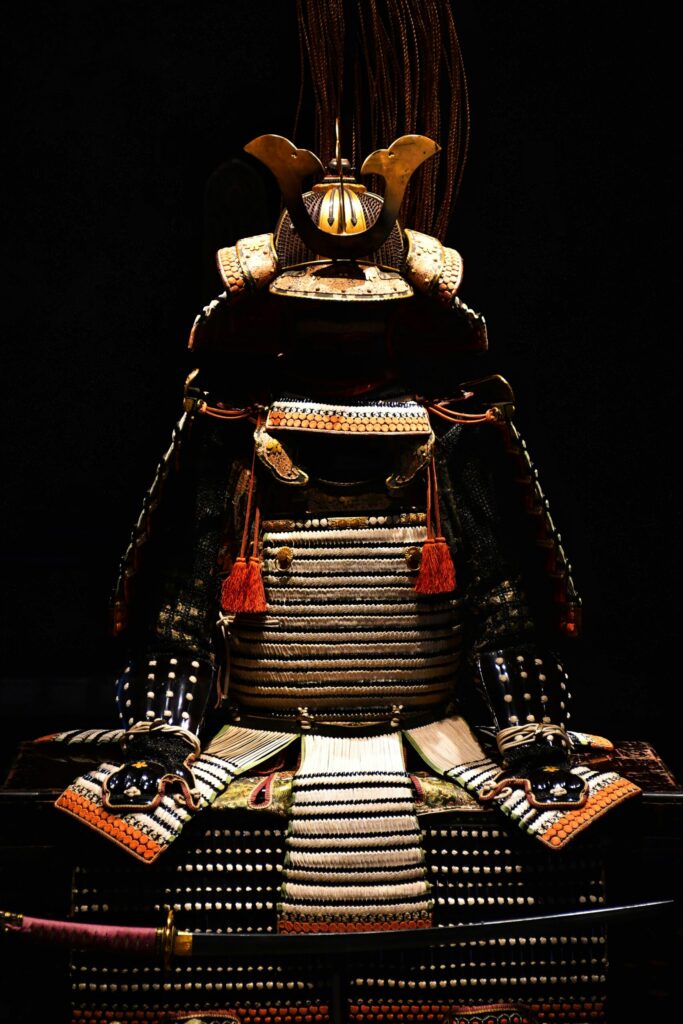
When Japan's soccer players left their locker room after the 2022 World Cup, they left behind something the world didn't expect: a spotless space, neatly arranged chairs, and a small handwritten note reading "thank you" in Arabic. Cameras caught it. The internet couldn't stop talking about it. When asked why, the players shrugged with quiet sincerity — it was simply the right thing to do. That instinct, that almost reflexive dignity, didn't come from a team handbook. It came from somewhere far older. Bushido — the way of the warrior — is often taught as history, as something sealed inside museums and samurai films. But walk through Japan with open eyes, and you'll find it everywhere: in the craftsman's trembling focus, the commuter's silent patience, the chef's obsessive reverence for a single bowl of broth.

1