2026年– date –
-

Izakaya: The Soul of Japanese After-Work Culture
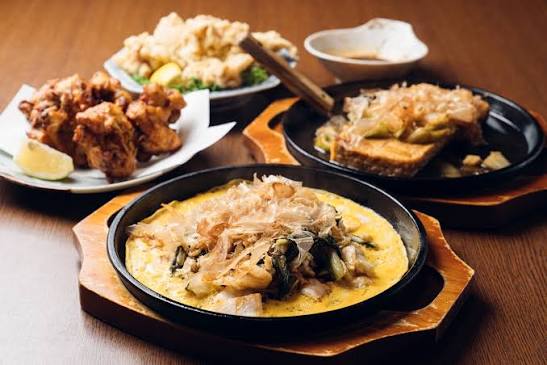
Push aside the noren curtain and step into a different world. The izakaya — Japan's after-work institution — is where the formal structures of the day are officially permitted to relax, where hierarchies soften, and where the carefully composed faces of office culture give way to cold beer, shared plates, and the particular relief of being among people who are done with the day. Part bar, part restaurant, wholly unlike either, the izakaya is the space where Japanese social life conducts its most honest business: where honne — real feelings, unguarded opinions — surfaces under warm lantern light and yakitori smoke. From the ancient charcoal-grilled skewers to the shime ramen that closes the night, the izakaya is Japan at its most human, most welcoming, and most itself. -
Sumo: The Sacred Sport That Carries 1,500 Years of Japanese Ritual
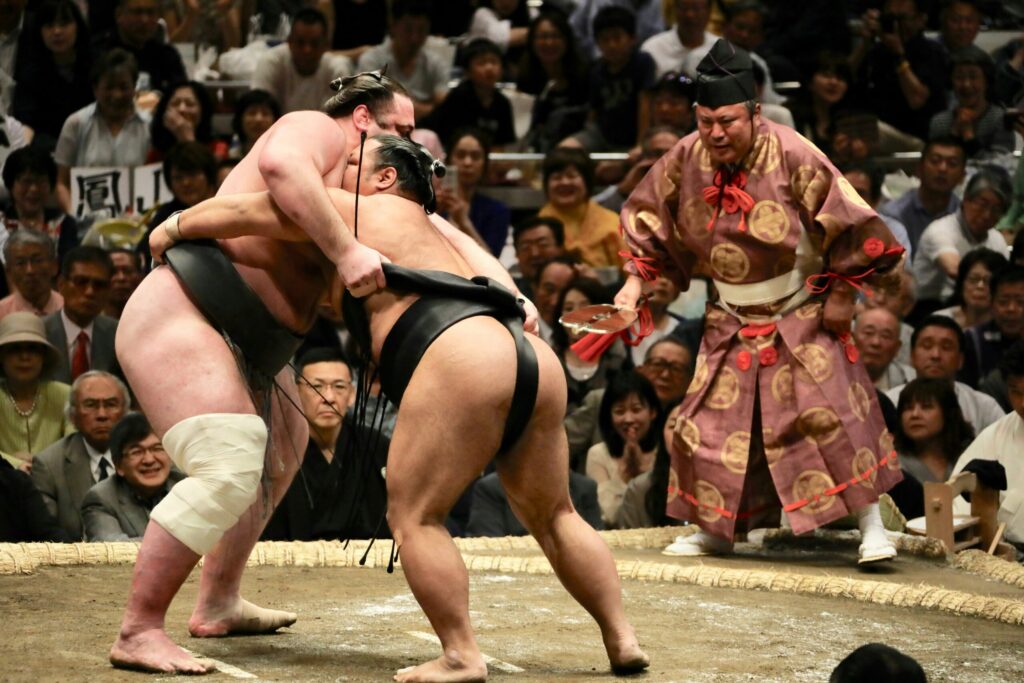
Sumo is Japan's oldest athletic tradition — and its most sacred. Long before the two wrestlers collide, a ceremony has been underway: salt purifying the clay ring, feet stomping out evil spirits, a shrine roof suspended overhead in the style of Ise Jingu. Every gesture in sumo is a Shinto act. The wrestlers who perform them are not simply athletes; they are practitioners of a living ritual tradition that has transmitted itself, largely unchanged, across fifteen centuries of Japanese life. To watch sumo — in the charged silence of the Kokugikan, the drum still resonating in the air — is to attend a ceremony in which the human body, trained to its absolute limit, becomes the instrument through which something beyond sport makes itself known. -
Kimono: The Garment That Encodes an Entire Civilization
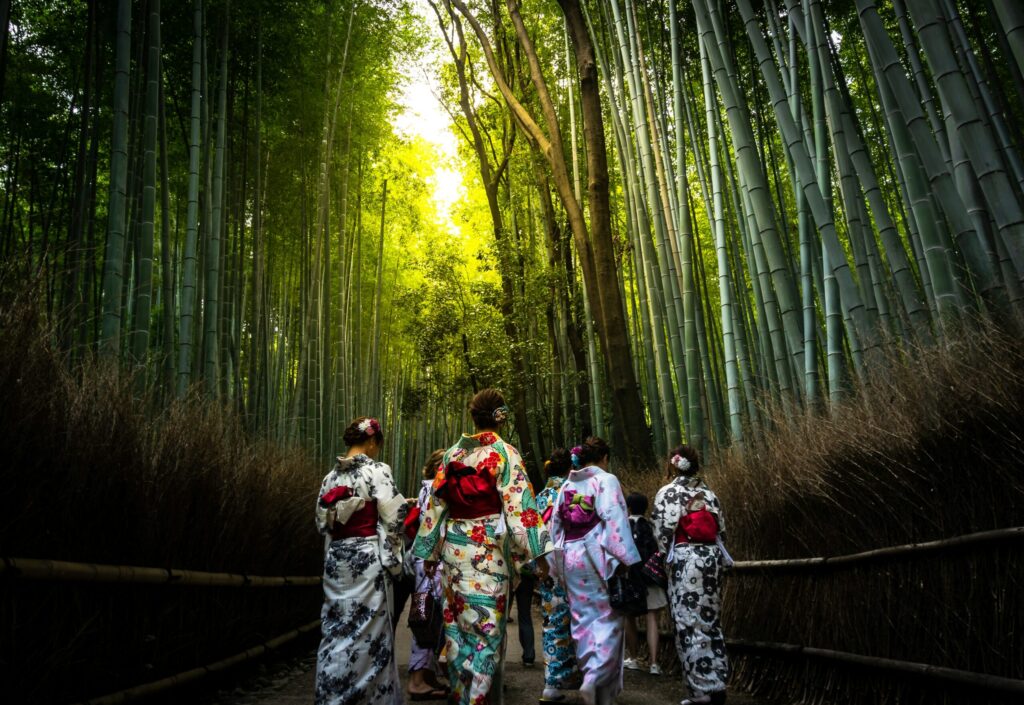
A kimono takes between fifteen minutes and an hour to put on, depending on the formality of the occasion and the skill of the dresser. It requires knowing, in advance, what season it is, what occasion you are attending, what your social ... -
Fushimi Inari: Ten Thousand Gates and the God of Foxes
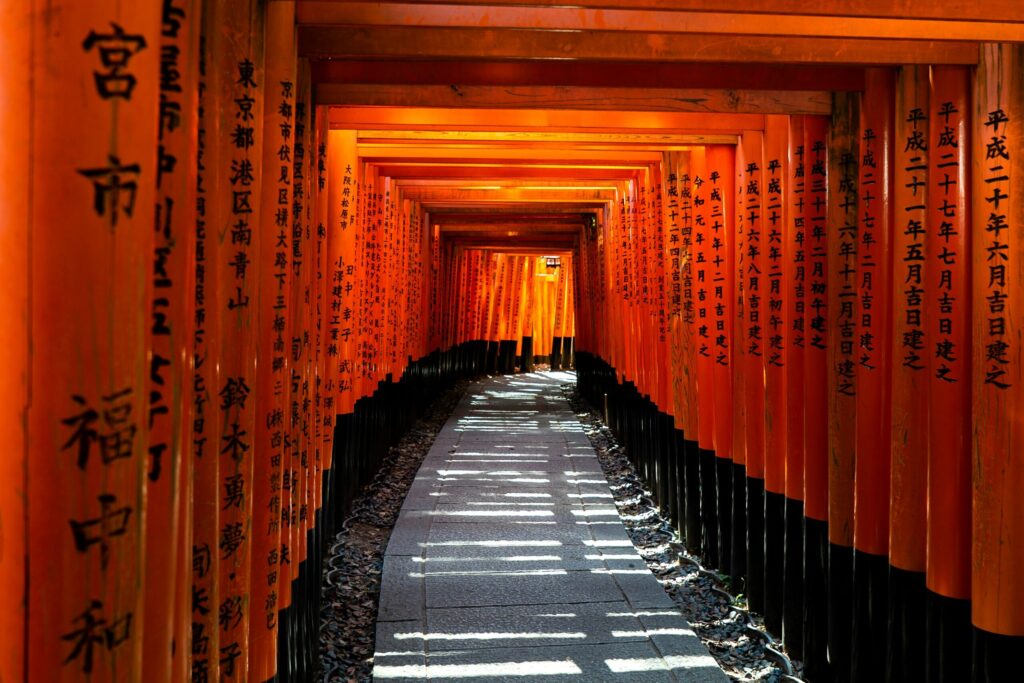
Fushimi Inari-Taisha has been sacred since 711 CE, and the ten thousand vermilion torii gates climbing Mount Inari behind it are each a donated prayer — every pillar inscribed with a name and a date, every gate a specific moment when a specific person decided that their gratitude deserved a permanent form. The mountain is a different place in every season: cherry blossoms drifting across the stone path in spring, the cicadas overwhelming the summer forest, maple red competing with torii red in November, snow turning every crossbeam white. And after dark, when the lights end and the path enters genuine darkness, Fushimi Inari becomes something the daylight cannot fully show — a mountain that has belonged to itself for fourteen centuries, patient and unchanged. -
Okinawa: The Island Kingdom That Was Never Quite Japan
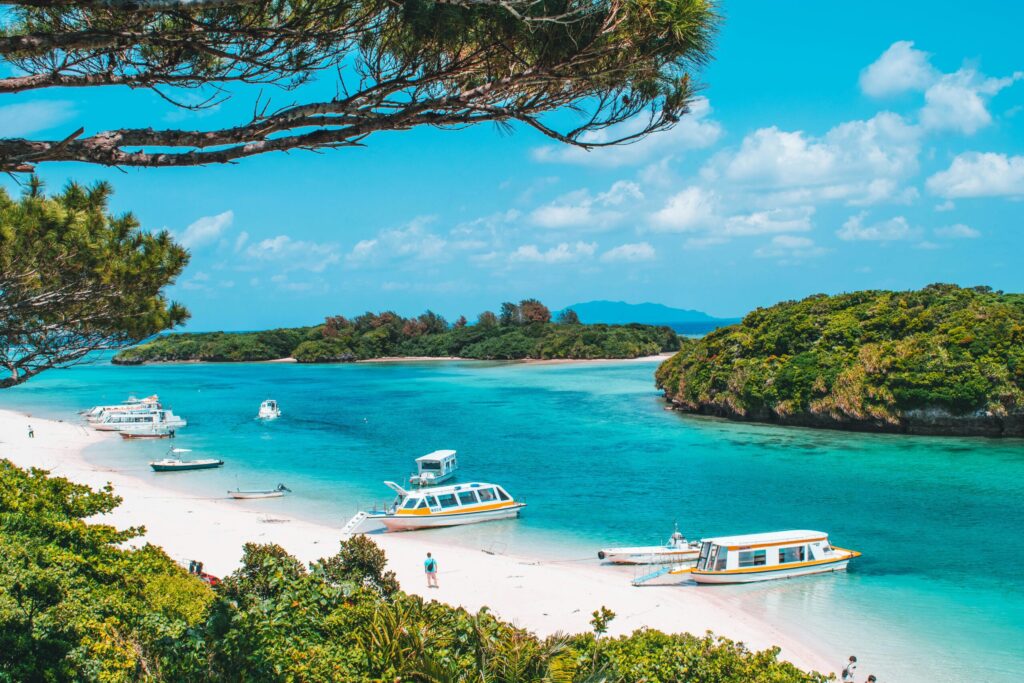
Okinawa sits closer to Taiwan than to Tokyo, and it feels it. For five hundred years before becoming a Japanese prefecture, this was the Ryukyu Kingdom — a maritime nation whose merchants sailed across Asia and whose culture absorbed those contacts into something entirely its own. That inheritance is still present everywhere: in the lacquered red palace of Shuri Castle, in the sacred grove of Sefa Utaki, in the slow-braised pork and bitter melon of the Okinawan table, in the sound of the sanshin drifting from doorways in the evening. And surrounding all of it, the sea: an emerald and turquoise that requires a new word, circling islands that know exactly who they are. -
Nara’s Sacred Deer: The Ancient Covenant Between a City and Its Animals
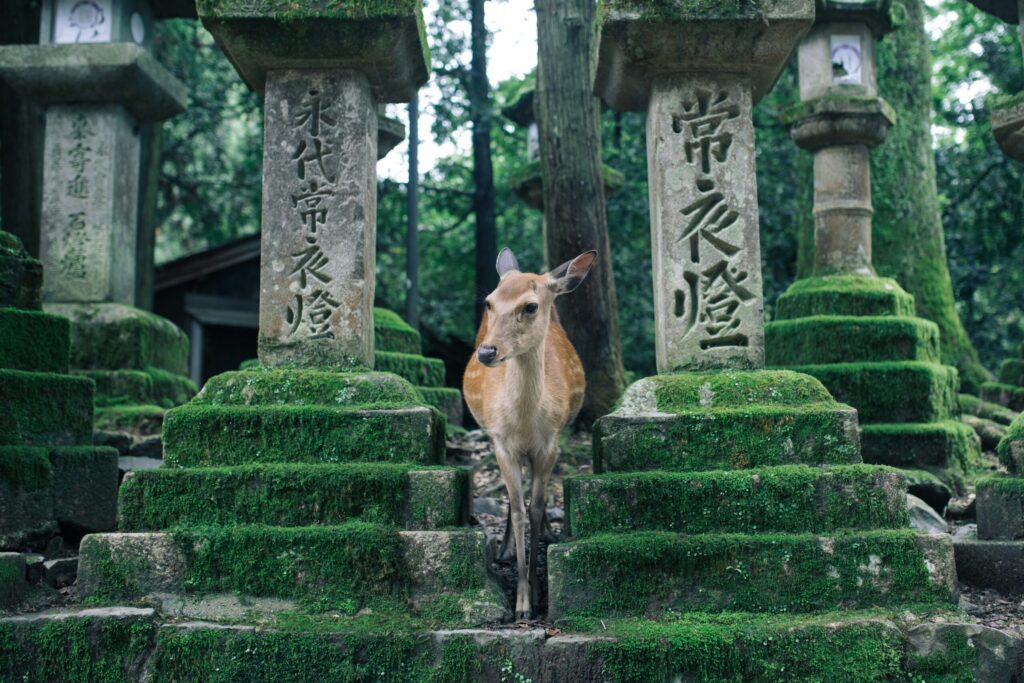
In Nara Park, the deer are not managed or contained — they are wild animals that have simply chosen, for thirteen hundred years, to live alongside humans. Sacred since 768 CE as messengers of the Kasuga deity, these approximately 1,300 deer have shaped a city unlike any other on earth: one where a deer might bow to receive a cracker, where spring brings spotted fawns to the forest edges, and where October's ancient antler-cutting ceremony marks an annual renegotiation between species. Beyond the deer, Nara holds some of Japan's most extraordinary sacred spaces — the world's largest wooden building, a forest full of stone lanterns, a five-story pagoda reflected in still water — and a food tradition organized around things that take a long time to make well and taste unmistakably of where they come from. -
Matcha: The Green That Shaped Japanese Culture
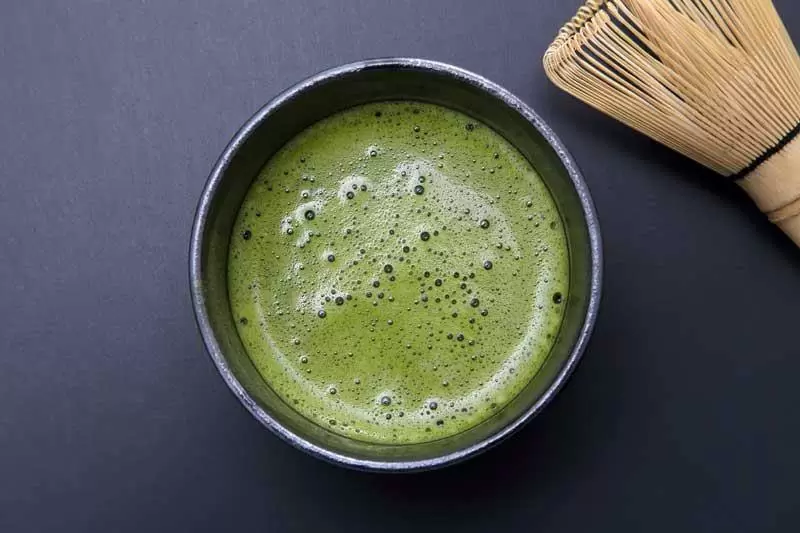
In Kyoto, there is a doorway barely two feet wide. To enter, you must crawl. You leave your sword outside, your title, your pride. Inside: two tatami mats, a ceramic bowl, and silence deep enough to hear your own breath. This is the room Sen no Rikyū built in the sixteenth century, and it tells you everything you need to know about matcha — which was never, not for a single moment in its eight-hundred-year history in Japan, simply a drink. Tracing matcha means tracing the spine of Japanese civilization itself: its Zen monasteries, its radical aesthetics, its philosophy of the unrepeatable moment. What the world has flattened into a latte flavor is, in truth, one of the most sophisticated cultural systems ever built around a bowl. -
Kawaii: How Japan Turned Cuteness Into a Cultural Superpower
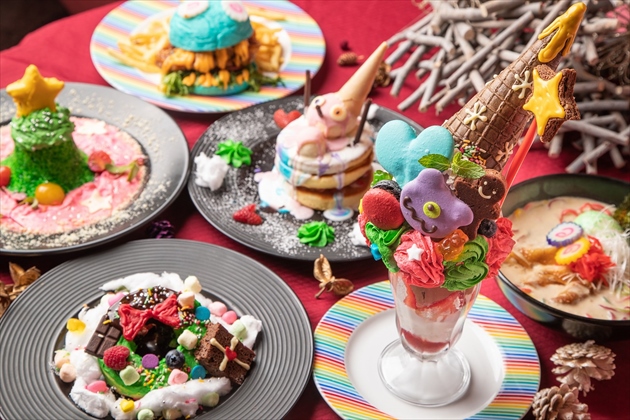
In 2013, a hand-drawn bear released royalty-free by a regional Japanese prefecture generated over $1.2 billion USD in economic activity. This is not an anomaly. In Japan, cuteness is serious business, serious philosophy, and serious power. The word kawaii carries centuries of aesthetic philosophy, a radical history of teenage rebellion, and a diplomatic force that governments deploy with genuine intent. To understand kawaii is to touch the core of what modern Japan most powerfully transmits to the world — and to reconsider everything you thought you knew about the word "cute." -
Hanami: The Japanese Art of Paying Attention to Impermanence
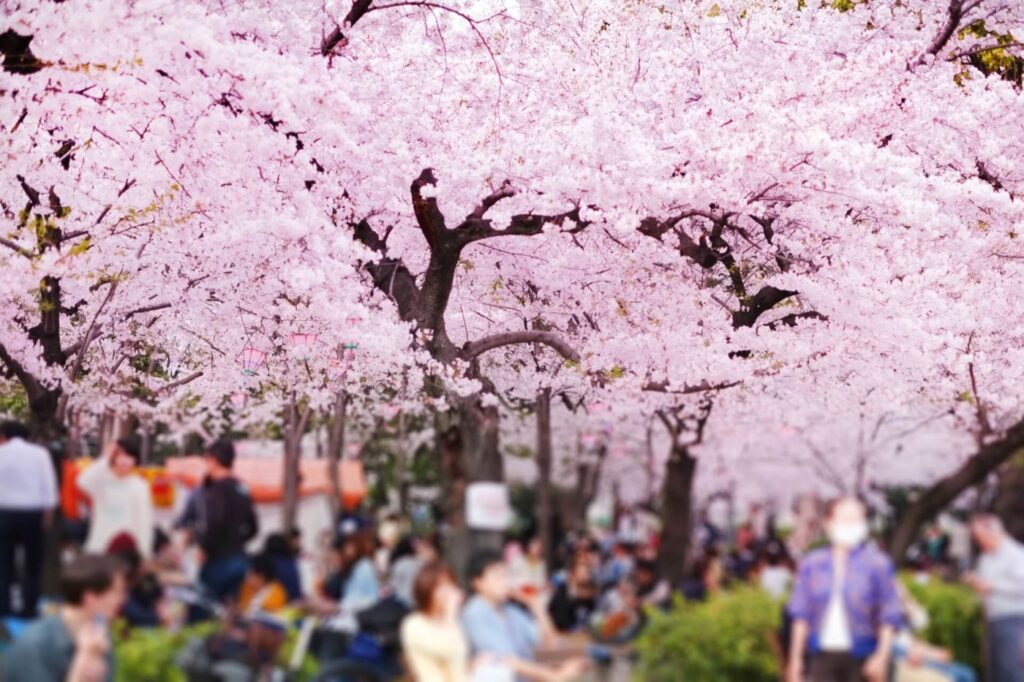
In a Tokyo park, a man in a business suit sits motionless beneath a canopy of falling cherry petals. His eyes are turned upward. He is not waiting for anyone. He is not passing time. He is doing something that Japan has refined over more than a thousand years — something that looks, from the outside, like stillness, but is in fact a form of radical presence. To understand why he is sitting there, and why it matters, is to understand something essential about how Japan experiences time itself. Hanami is not a cherry-blossom-viewing event. It is a philosophical act, a communal ritual, and a quiet insistence that beauty is most worth feeling precisely because it will not last. This is the story of how a flower became a mirror for the human condition. -
The Four Seasons of Japan: How Nature Became the Country’s Cultural Calendar
In Japan, the year is not a single unit. It is four distinct experiences, each with its own aesthetics, its own foods, its own emotional register, its own way of organizing time. Spring is not merely the season before summer; it is the s...
12