Japanese culture– tag –
-

Matcha: The Green That Shaped Japanese Culture
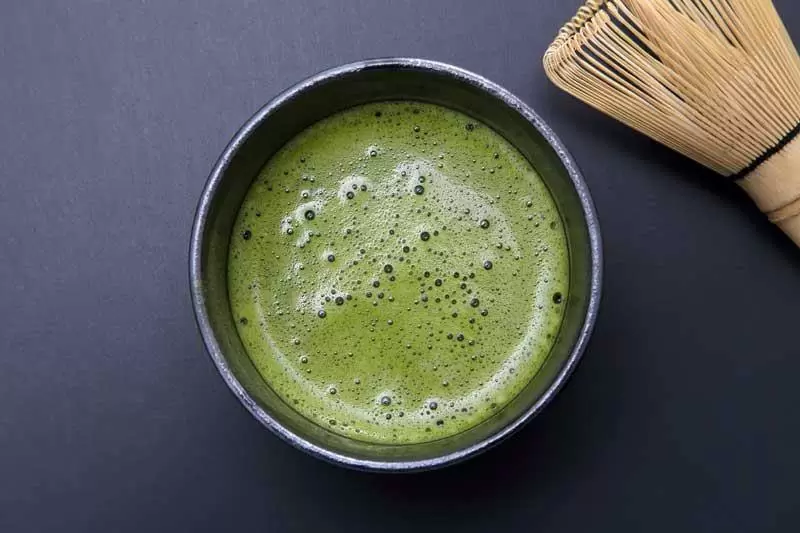
In Kyoto, there is a doorway barely two feet wide. To enter, you must crawl. You leave your sword outside, your title, your pride. Inside: two tatami mats, a ceramic bowl, and silence deep enough to hear your own breath. This is the room Sen no Rikyū built in the sixteenth century, and it tells you everything you need to know about matcha — which was never, not for a single moment in its eight-hundred-year history in Japan, simply a drink. Tracing matcha means tracing the spine of Japanese civilization itself: its Zen monasteries, its radical aesthetics, its philosophy of the unrepeatable moment. What the world has flattened into a latte flavor is, in truth, one of the most sophisticated cultural systems ever built around a bowl. -
Kawaii: How Japan Turned Cuteness Into a Cultural Superpower
In 2013, a hand-drawn bear released royalty-free by a regional Japanese prefecture generated over $1.2 billion USD in economic activity. This is not an anomaly. In Japan, cuteness is serious business, serious philosophy, and serious power. The word kawaii carries centuries of aesthetic philosophy, a radical history of teenage rebellion, and a diplomatic force that governments deploy with genuine intent. To understand kawaii is to touch the core of what modern Japan most powerfully transmits to the world — and to reconsider everything you thought you knew about the word "cute." -
Hanami: The Japanese Art of Paying Attention to Impermanence
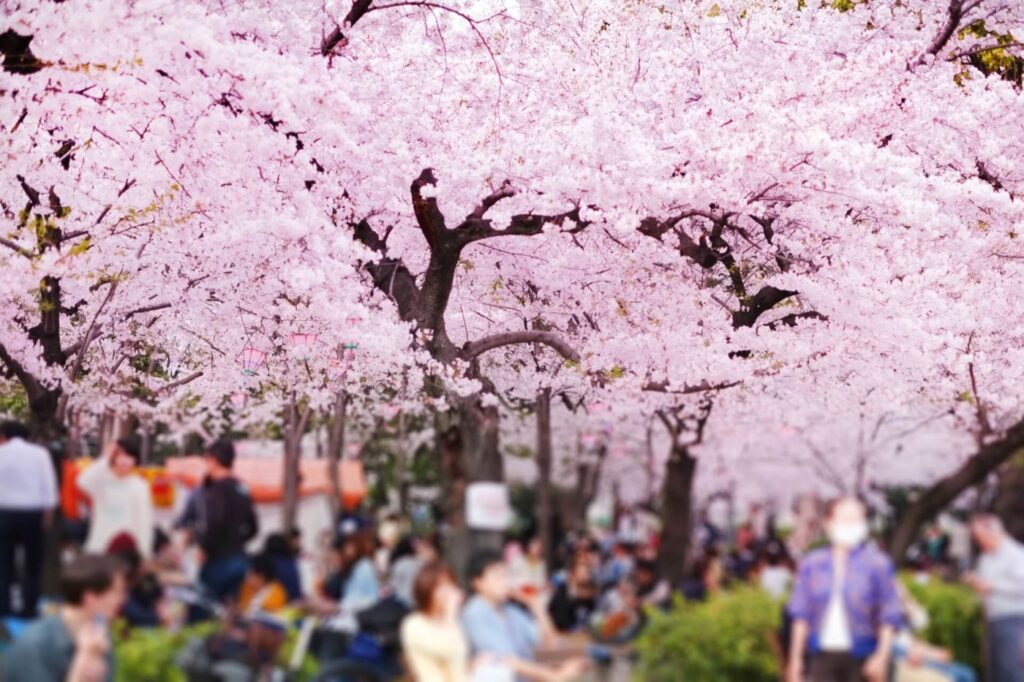
In a Tokyo park, a man in a business suit sits motionless beneath a canopy of falling cherry petals. His eyes are turned upward. He is not waiting for anyone. He is not passing time. He is doing something that Japan has refined over more than a thousand years — something that looks, from the outside, like stillness, but is in fact a form of radical presence. To understand why he is sitting there, and why it matters, is to understand something essential about how Japan experiences time itself. Hanami is not a cherry-blossom-viewing event. It is a philosophical act, a communal ritual, and a quiet insistence that beauty is most worth feeling precisely because it will not last. This is the story of how a flower became a mirror for the human condition. -
The Real Ninja: How Feudal Japan’s Shadow Professionals Shaped History Through Intelligence, Not Magic
On the night Oda Nobunaga was assassinated in 1582, Tokugawa Ieyasu found himself stranded in hostile territory with no army and no clear path home. What saved him — and with him, the future of a unified Japan — was not swordsmanship or supernatural ability. It was a network of roughly 200 operatives from the mountains of Iga who materialized out of the darkness and guided him to safety. No throwing stars. No shadow-walking. Just intelligence, terrain knowledge, and calm professional execution. The real ninja were not the acrobatic assassins of Hollywood imagination. They were information specialists — patient, disciplined, and in many ways more intellectually sophisticated than any samurai on the battlefield. This is their actual story. -
Bushido: The Samurai Code Shaping Modern Japan
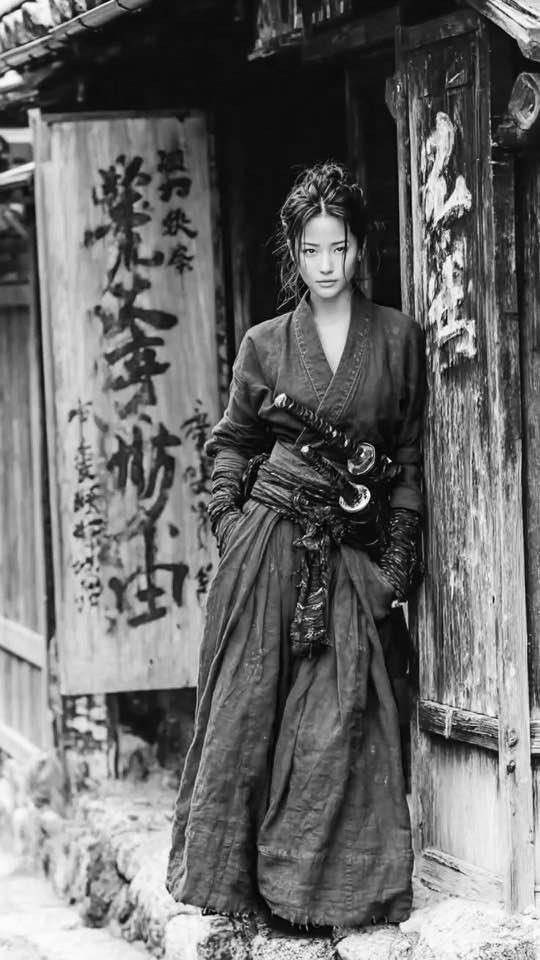
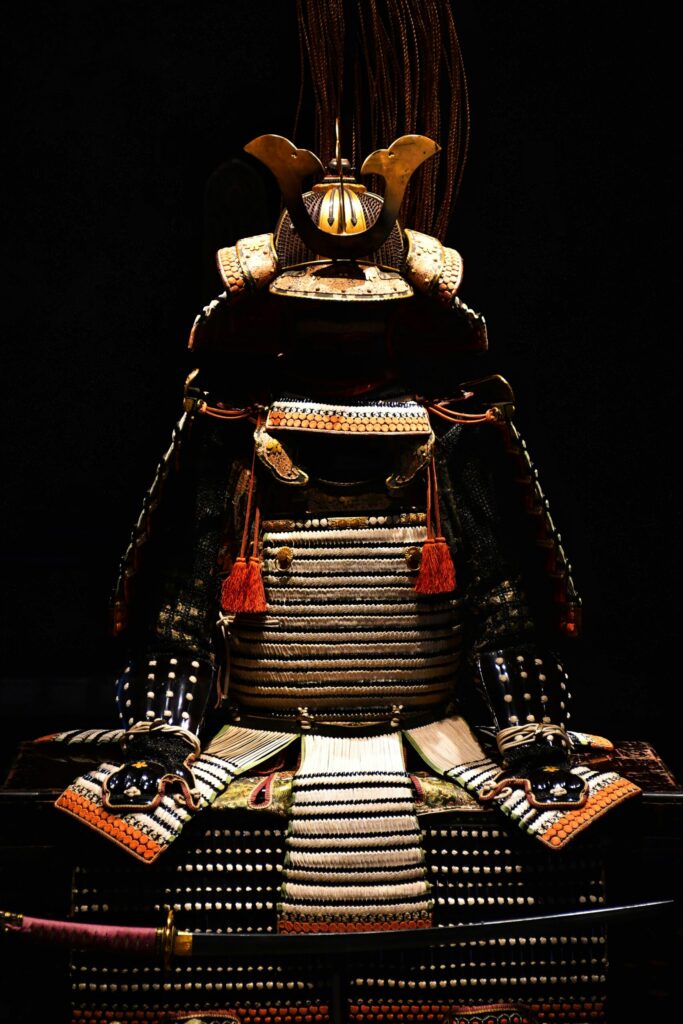
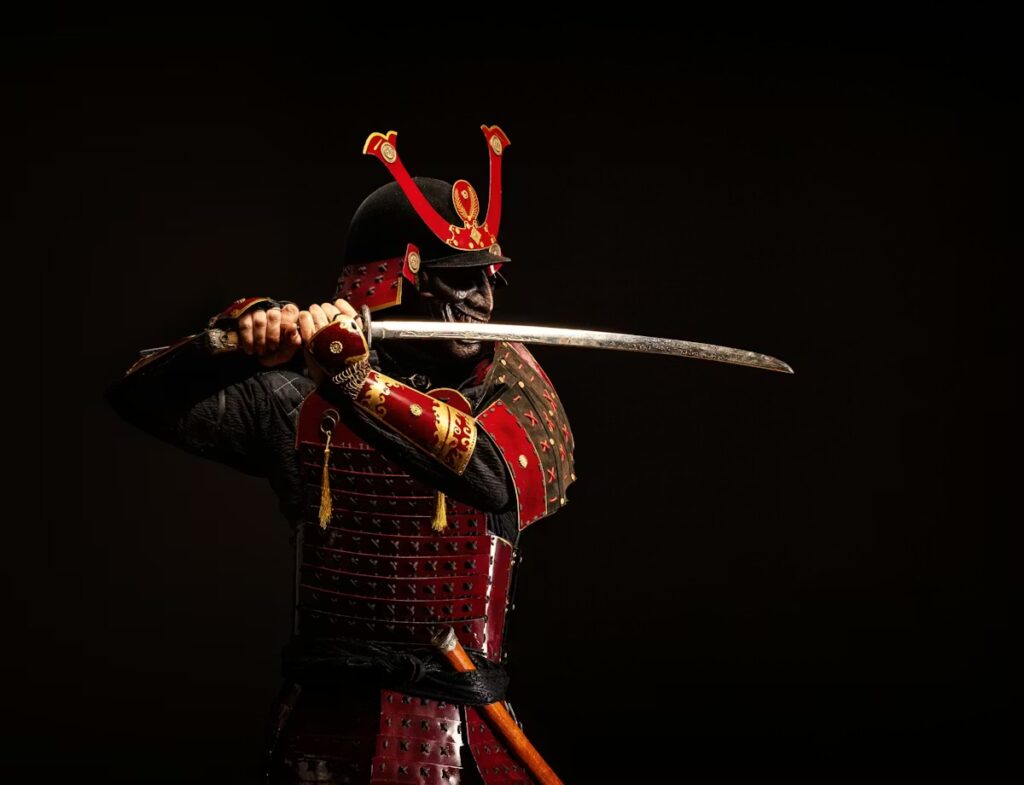
When Japan's soccer players left their locker room after the 2022 World Cup, they left behind something the world didn't expect: a spotless space, neatly arranged chairs, and a small handwritten note reading "thank you" in Arabic. Cameras caught it. The internet couldn't stop talking about it. When asked why, the players shrugged with quiet sincerity — it was simply the right thing to do. That instinct, that almost reflexive dignity, didn't come from a team handbook. It came from somewhere far older. Bushido — the way of the warrior — is often taught as history, as something sealed inside museums and samurai films. But walk through Japan with open eyes, and you'll find it everywhere: in the craftsman's trembling focus, the commuter's silent patience, the chef's obsessive reverence for a single bowl of broth. -
The Katana: Japan’s Most Sacred Blade Explained
In a dimly lit forge in Shimane Prefecture, a swordsmith pauses before quenching a glowing blade — not to check his technique, but to complete a Shinto purification ritual. The fire, the steel, and the silence are all considered sacred. This single moment contains the entire mystery of the katana: how did a battlefield weapon become the spiritual soul of a civilization? From the ritual smelting of tamahagane steel to the philosophical debate over whether a sword should take life or protect it, the katana is perhaps the most extraordinary object ever made by human hands — not because of how deadly it is, but because of how much of the human spirit it was asked to carry.

1